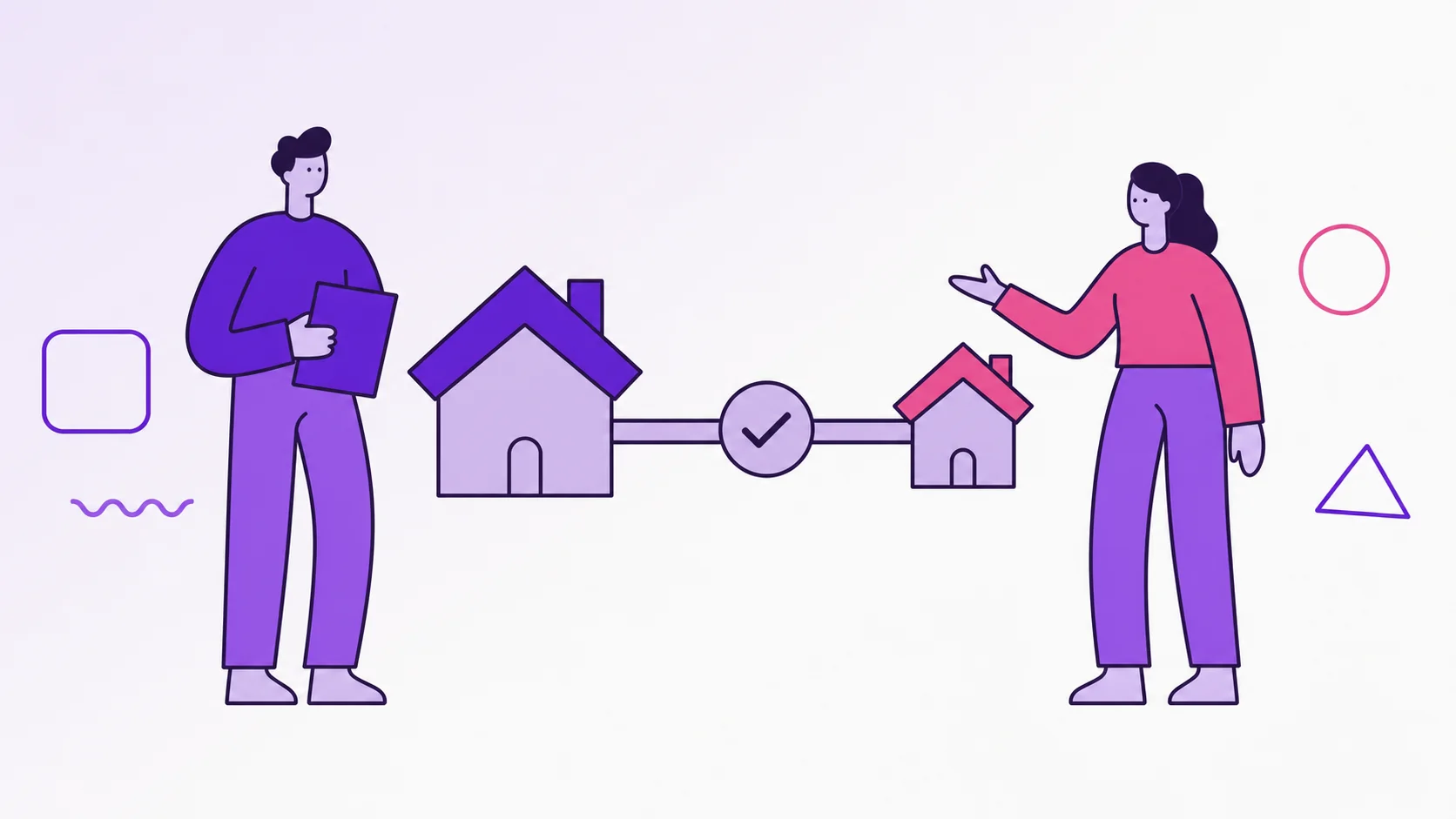
Sports betting harms shared finances when deposits, losses, or debt start competing with rent, groceries, savings, or plans you made together. This can happen even when the betting account is in one partner’s name. Seeing the pattern early helps both of you protect essential bills and find the right support.
The goal is not to inspect a phone or diagnose your partner. Add up what left, ask whether betting is still active, and separate two jobs: the shared month needs protection, while the person betting may need help beyond a money conversation.
This is educational information, not individualized financial, medical, legal, or relationship advice. Debt liability and self-exclusion rules can vary by state and account ownership.
How can sports betting affect a couple’s finances?
Sports betting affects a couple’s finances when it no longer fits inside agreed personal spending or starts changing shared bills and goals. One bet does not define the problem. The pattern does: more frequent deposits, rising amounts, late bills, chasing losses, or new borrowing meant to recover money that is already gone.
A study published in the Journal of Financial Economics in September 2026 examined transaction data from 183,821 U.S. households across state-level online sports betting legalizations. Across the sample, the effect was concentrated among frequent bettors and households with low savings: frequent bettors cut investment deposits by 56%, and each dollar sent to betting apps was associated with about 20 cents less in investment deposits, alongside higher consumer debt. Read the authors’ primary sports betting and household finance paper.
That is a population-level result, not a diagnosis of any one household. For a couple, the practical question is whether repeated deposits pulled money from rent, food, insurance, savings, or a goal both partners had already included in the same month.
| What shows up | What both of you need to check |
|---|---|
| Several small sportsbook deposits | The monthly total, not each deposit alone |
| Rent, groceries, or a card payment runs late | Whether money set aside for it moved elsewhere |
| A loan, cash advance, or transfer to win losses back | How much is debt and whose name is attached |
| A promise to stop followed by new bets | Whether self-exclusion and professional support should come next |
The total changes the conversation.
The account may be personal. The missed electric bill is not.
What are the financial warning signs of problem gambling?
Problem gambling is behavior that damages a person or their family and disrupts daily life. The amount lost is not the only measure. The National Council on Problem Gambling lists warning signs such as needing to bet more often, chasing losses, struggling to cut back, and continuing despite negative consequences. Its problem gambling FAQ also makes an important distinction: frequency alone does not determine whether someone has a gambling problem.
Watch for several signs moving together:
- sportsbook deposits grow in value or frequency;
- losses are hidden, minimized, or described as temporary;
- essential bills or savings are used to keep betting;
- the person borrows, takes cash advances, or asks others to cover the gap;
- attempts to stop do not hold;
- sleep, mood, work, or the relationship changes around betting.
A partner can name these patterns without assigning a diagnosis. “I see $720 in deposits and a bill we cannot cover” is a financial fact. What the behavior means clinically belongs in a professional assessment.
How do you talk to a partner about sports betting without blame?
Start with the transaction and its effect, not a label. “I found four sportsbook deposits totaling $680, and rent is short” gives both people something concrete to address. “You never think about us” replaces the financial fact with a judgment about the whole person.
Give the first conversation one job: understand what the next 30 days look like. Do not try to settle debt, rebuild trust, choose treatment, and decide the future of the relationship in one night.
Use a short sequence:
- Show what is verifiable. Amounts, dates, upcoming bills, and cash available.
- Ask whether betting is active. Old debt needs a plan; active betting also needs the outflow to stop.
- Protect the shared month. Housing, food, medication, transportation, insurance, and childcare come before covering losses.
- Choose the next action. Complete the debt picture, start self-exclusion, or contact support, then set a review date.
Transparency does not require permanent surveillance or handing over every password. Shared consequences need shared visibility. Support still needs consent and boundaries.
If the balance is already hidden behind cards or loans, use the guide to coming clean about hidden debt to map creditors, payments, and immediate risk.
Which shared bills should you protect first?
First, the essentials.
Protect the expenses that keep the household running for the next month. Then separate debt that already exists from money still leaving for bets. Paying old losses without addressing active betting can create room for the same pattern to restart.
Make four practical moves:
- list housing, food, health, transportation, utilities, insurance, and childcare by due date;
- confirm how much money is available for that block today;
- pause new joint borrowing, co-signing, or use of a partner’s card while the full amount is unclear;
- write down what support was agreed on, for how long, and when both of you will revisit it.
Example: you set aside $5,200 for shared bills totaling $4,800, leaving $400. If $300 a week comes from money meant for that pool, betting removes $1,200 over four weeks. The month is $800 short before an emergency happens.
Support does not have to mean absorbing every loss. It can mean organizing statements, helping find self-exclusion, joining a support call, or making sure an essential bill is paid directly. A clear boundary protects both partners.
If someone used the other person’s name, card, or money without consent, or if the conversation involves threats or fear, the monthly budget is no longer the only issue. Protect your safety and seek legal or professional help for the specific situation.
How does sports betting self-exclusion work in the U.S.?
Sports betting self-exclusion rules are not uniform across the United States. State laws and operator requirements differ, so a step that applies in one state may not cover every sportsbook somewhere else. The NCPG’s review of state online sports betting protections found meaningful differences between state frameworks.
Start with your state gaming regulator or the NCPG’s Help by State directory. Depending on the state and operator, options may include:
- voluntary self-exclusion from licensed online sportsbooks;
- deposit, wager, spending, or time limits;
- account cooling-off periods;
- removal from direct gambling marketing.
Self-exclusion is a practical barrier, but it does not settle debt, rebuild trust, or replace treatment when someone cannot stop; it may also leave unlicensed operators untouched, so both partners still need a plan for shared bills and the existing balance. The person betting usually needs to complete the enrollment, while a partner can help find the correct state program.
Where can couples find problem gambling help?
The National Problem Gambling Helpline connects people who gamble and their loved ones with local support in all 50 states and U.S. territories. Call or text 1-800-MY-RESET, or use online chat. According to the current helpline page, the service is available 24/7 and can connect callers with treatment, peer support, self-exclusion guidance, and financial counseling.
Loved ones can contact the helpline even if the person betting is not ready. That matters: a partner may need support setting boundaries and protecting the household without trying to become the other person’s counselor.
The gambling helpline is not an emergency service. If anyone is in immediate danger or in a mental health crisis, call 911 or 988.
How can dividi support the shared budget after the agreement?
Self-exclusion and treatment resources address gambling harm. dividi has a different role: keeping the household budget you agreed to protect visible to both partners.
Once you decide which expenses remain shared, a Joint Account lets you record those bills using the percentages you set together. The Smart Budget totals what has been entered and shows whether the month is On track, Watch out, or Over budget. If installment debt temporarily becomes part of the agreement, record the amount, who is responsible, and the installment count instead of leaving it as an unnamed withdrawal.
The point is not to use an app to police the person who bet. It is to keep rent, groceries, and other shared commitments from returning to memory or silence. To organize that shared block, download dividi; the plans page explains available limits and features.
Frequently asked questions about sports betting and couples
Does frequent sports betting always mean gambling disorder?
No. Frequency alone is not a diagnosis. Loss of control, chasing losses, failed attempts to stop, secrecy, debt, and harm to daily life matter more. A qualified professional should assess gambling disorder, not a partner.
Can I self-exclude my partner from sportsbooks?
Usually no. Voluntary self-exclusion generally requires the person betting to enroll. You can help locate the correct state program, protect shared obligations, and contact the National Problem Gambling Helpline for guidance as a loved one.
Does one self-exclusion request block every sportsbook?
Do not assume it does. Coverage depends on the state, regulator, program, and whether the operator is licensed. Confirm the rules with your state gaming regulator or the NCPG Help by State directory.
Should I pay my partner’s gambling debt?
Do not decide while shocked. First map the balance, rates, account ownership, and effect on essential bills. Organizing statements or joining a counseling call is different from co-signing, borrowing, or using shared savings. Legal responsibility can vary by state and contract.
Can a family member call the gambling helpline?
Yes. The National Problem Gambling Helpline supports loved ones as well as people who gamble. It can connect callers with local treatment, peer support, self-exclusion information, and financial counseling.
Next reads
- If betting has already produced hidden balances or loans, start with how to come clean about hidden debt.
- To prepare the first conversation without turning statements into an interrogation, read how to talk about money without blame.
- To rebuild the shared month after the immediate shock, use the guide to a joint budget with less friction.