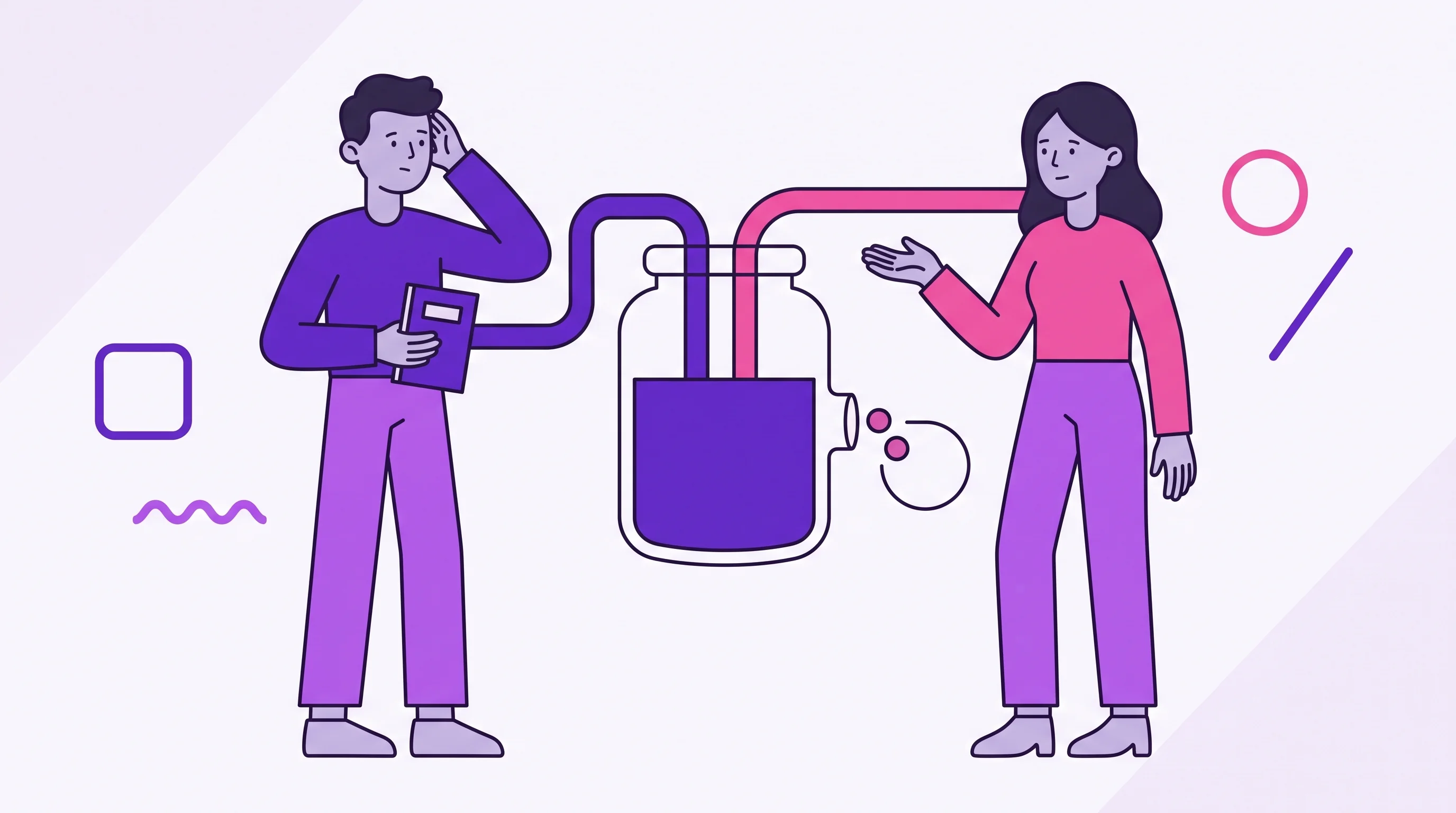
Hidden debt in a relationship is debt one partner keeps private even when it can affect shared plans. Shame and surprise are both real. Neither reaction has to decide what happens next.
Once hidden debt is on the table, start with the facts, protect the bills you already share, and make support a choice rather than an assumption. Being there for your partner does not require co-signing, opening a new account, or putting your own credit on the line.
This is educational information, not individualized financial, credit, or legal advice. Debt, collection, property, and relationship rules can vary by state and situation.
How do you disclose hidden debt for the first time?
You do not need a perfect spreadsheet before you speak. You do need to avoid hiding the information that changes a shared decision. Bring what you know about:
- the approximate balance and creditor;
- the monthly payment, due date, and APR if you have them;
- whether the account is current, late, in collections, or already being negotiated;
- what it could change about rent, utilities, groceries, travel, or another bill you manage together.
If you do not know the full balance yet, say so plainly. “I know there is debt, but I need a few days to pull the statements and give you the full number” is more useful than a confident guess.
The CFPB’s debt tools recommend getting a full picture of existing debt, reviewing a credit report, and setting repayment goals. That is a good private prep step. It is not a reason to hand over passwords or make your partner investigate you.
How do you come clean without turning it into an interrogation?
Choose a time when neither of you is racing a payment deadline. The person disclosing the debt can be direct:
“I need to tell you something I put off because I was embarrassed. I have about $X in debt. It is mine, but it may affect our plans. I want to look at the facts with you and decide the next step without making it your responsibility.”
The other person can ask for a pause, ask questions, or say what they need to understand the impact. The point is not to settle the debt, repair trust, explain every past decision, and decide the relationship in one night.
Keep three decisions separate:
- Understand the debt. Balance, creditor, payment, rate, deadline, and immediate risk.
- Protect the shared month. Which bills still need to be covered and what cannot be quietly moved into the shared budget.
- Define support. Listening and helping with a plan are different from paying a balance, co-signing, or using the other person’s credit.
If the conversation already feels loaded, read how to talk about money without blame before you try to make a bigger decision. If the balance is still growing because sports betting remains active, the guide to protecting shared bills from betting harm starts with the ongoing outflow, self-exclusion, and U.S. support resources.
Why should you map the debt before offering help?
Shock can make a quick rescue feel like the only loving response. A debt map gives both of you a clearer choice: list each creditor, balance, payment, due date, rate, and whether the debt affects a shared commitment.
Example: you and your partner set aside $4,600 for shared monthly bills that total $4,200. That leaves $400. If a $650 individual debt payment quietly starts coming from the same pool, the month is already $250 short before an unexpected expense. The math does not tell you what support to give. It does show that “temporary help” still changes the agreement.
Write down the facts before you promise money. If you are dealing with a debt collector, the CFPB says to first confirm whether the debt is yours and calculate a payment plan you can realistically afford; a plan that causes new missed bills can create more problems. See the CFPB’s guidance on negotiating with a debt collector.
What can partners agree on, and what should never be assumed?
There is no single right outcome. You might keep the debt fully separate, reduce a shared expense for a defined period, agree on a fixed amount of help, or simply check in while one person negotiates with a creditor.
What matters is that the boundary is explicit. Try: “We can look at this together, but neither of us will use the other person’s name, card, or credit without understanding the debt and agreeing calmly.”
Debt can be personal while still affecting a shared plan. That is why visibility matters. It does not mean one person gets permanent access to every account or a vote on every personal purchase. For a broader conversation before you mix rent, credit, or savings, see financial compatibility in a relationship.
Set a date to revisit the plan, too. Trust rarely comes back because of one flawless conversation. It grows when the information and the follow-through stay consistent over time.
When does hidden debt need outside support?
Slow down and look for professional or consumer support if someone used your name, card, or signature; is pressuring you to borrow; received a collection notice they do not recognize; or feels afraid, controlled, or humiliated around money.
An unfamiliar creditor is not always fraud: a lender can sell an account or use a collection company. The CFPB recommends contacting the company to learn more and disputing incorrect information rather than assuming what the entry means. Its guide on credit report errors explains how to contact both the credit reporting company and the company that provided the information.
For collection issues, the CFPB debt collection hub explains rights, validation notices, complaints, and options for getting help. If the situation includes coercion, threats, or financial abuse, prioritize safety and support beyond the couple’s money routine.
How dividi helps after the conversation
dividi does not check credit reports, negotiate debt, or decide whether partners should combine money. Once you agree on which everyday expenses are shared, a Joint Account lets you split bills using the percentages you set together. The Budget can show whether the month is On track, Watch out, or Over budget before another surprise turns into another argument.
That keeps shared expenses visible without pretending that a personal debt has disappeared. When you are ready to organize the routine you manage together, download dividi. You can also compare limits and features on the plans page.
FAQ about hidden debt in a relationship
Does telling my partner about debt give them the right to control my spending?
No. Transparency is about information that changes shared decisions. Control means demanding access to every purchase, invading privacy, or using money as surveillance. You can protect shared bills and still keep room for personal autonomy.
Does my partner have to take on my debt after I disclose it?
Not automatically. Support can be a conversation, a debt map, or a clearly limited contribution. Paying a balance, co-signing, adding someone to an account, or opening new credit are separate choices that should not happen because of guilt or pressure.
What if I do not know the full balance yet?
Share what you know, then set a short deadline to gather the statements and credit-report information. Do not turn an estimate into a promise. The immediate goal is an accurate picture of the debt and its effect on the next few shared bills.
What if a debt or creditor is unfamiliar?
Do not assume it belongs to you or share sensitive information with an unverified caller. Contact the company through a verified channel, review the credit report, and dispute inaccurate information with the credit reporting company and the company that supplied it.
Next reads
- When the first conversation is already tense, start with how to talk about money without blame.
- Before sharing rent, cards, or bigger goals, use financial compatibility in a relationship.
- If the balance lives on a card, read how to escape the credit-card debt spiral as a couple.