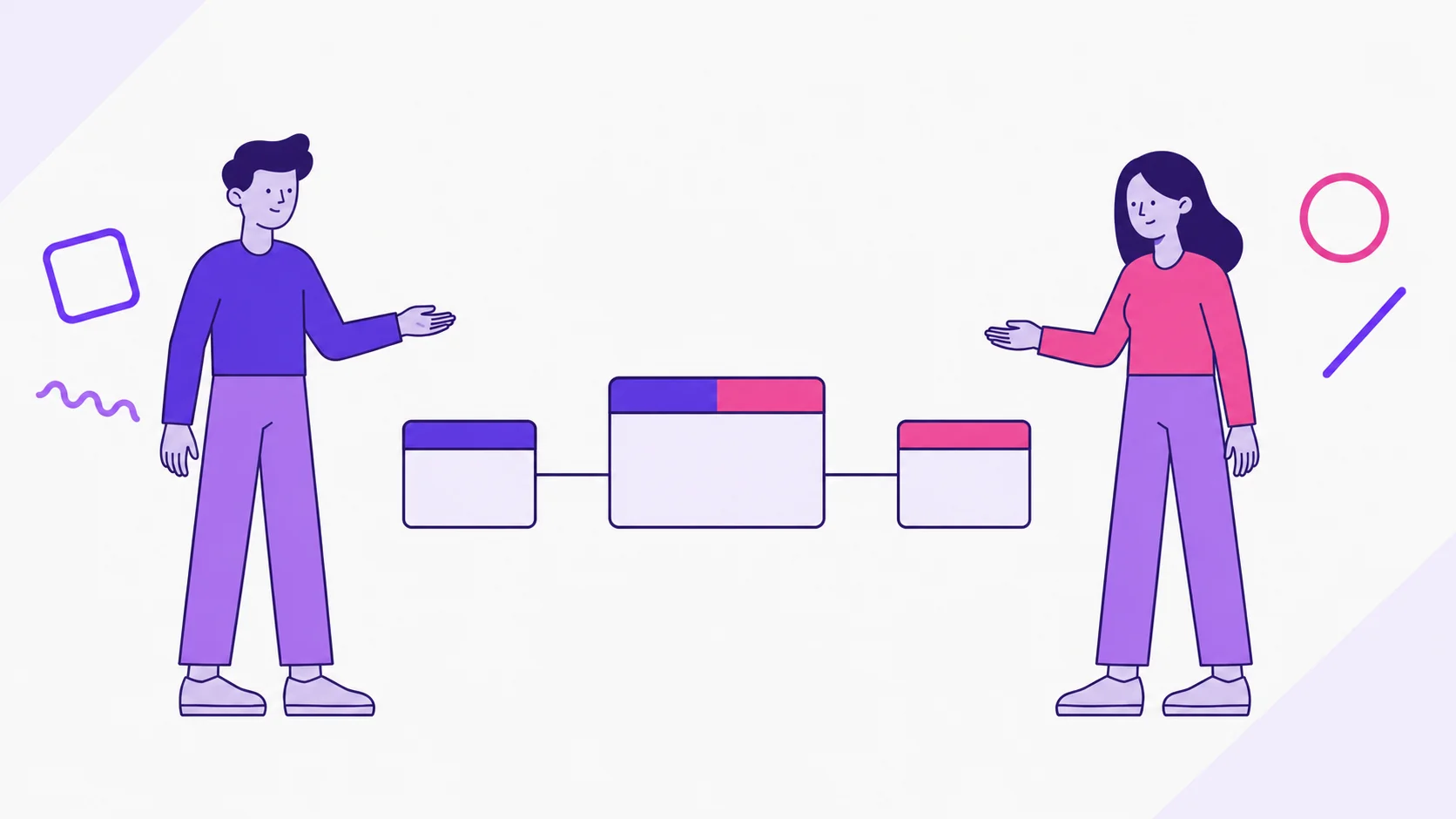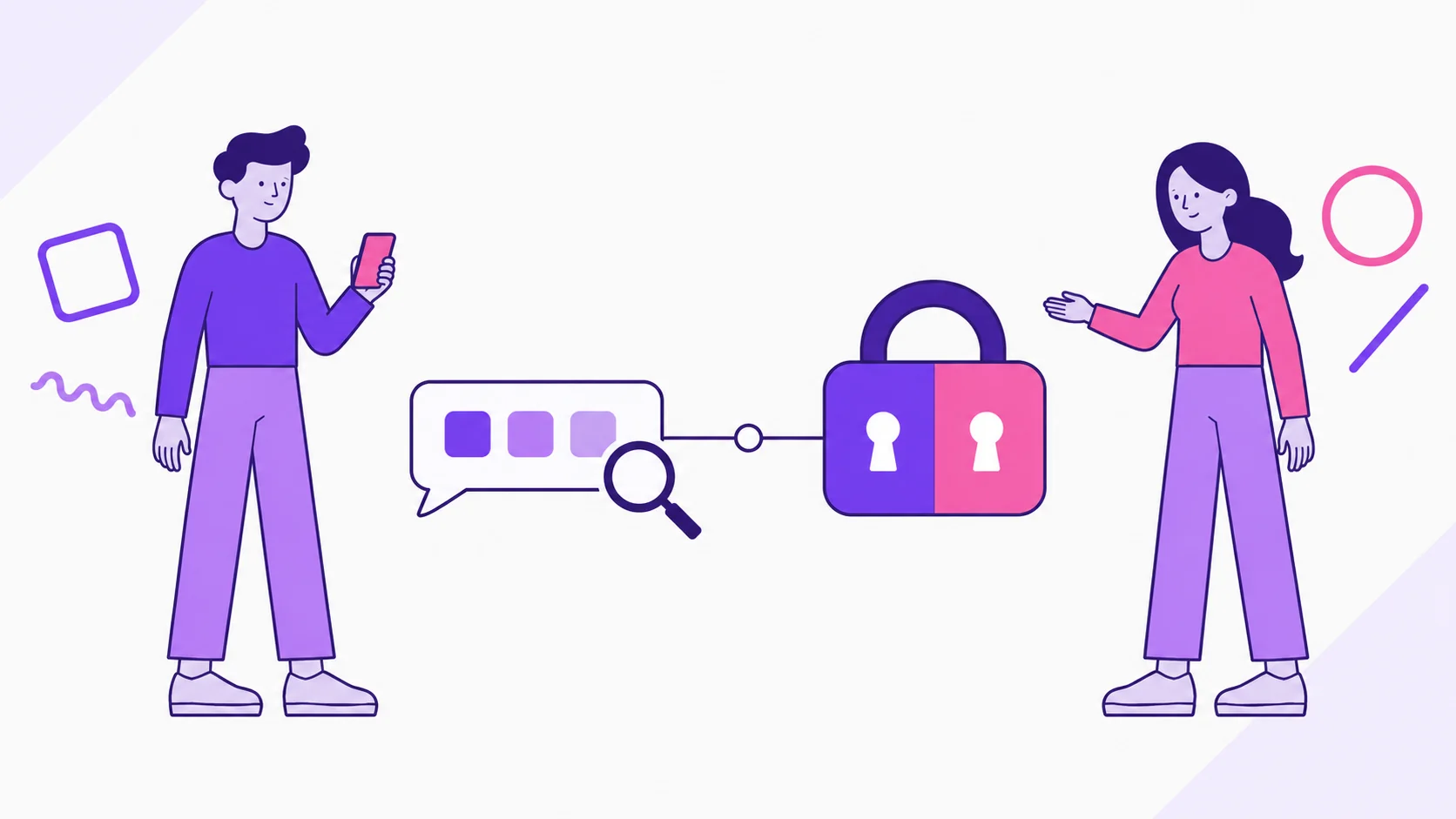
Scams rarely reach a couple as a couple. They reach one of you, alone, with a reason to pay right now. The simplest way to avoid scams as a couple is a rule you agree on together before any strange request for money shows up.
In a June 15, 2026 release, the Federal Trade Commission said people reported losing about $16 billion to fraud in 2025, the highest on record. Imposter scams alone accounted for $3.5 billion and nearly one in three fraud reports. With Thanksgiving on November 26, Black Friday on November 27 and holiday shipping right behind them, your phones fill up with deal, delivery and payment messages, and a fake one is easier to miss.
This is educational information, not legal or financial advice. Bank and payment app policies vary, so check your own accounts’ terms.
Why do scammers target one partner instead of both?
A scam works best when one person decides fast and alone. That’s why the message lands while someone is at work, driving or half asleep. It almost always comes with a reason not to wait: the account “will be frozen,” a relative “needs it now,” the deal “ends in ten minutes.”
For couples, scammers have an extra shortcut: borrowing the name of the person you most want to help. “Hey, it’s me, new number, can you send money? I’ll explain later” can be signed with your partner’s name, a parent’s or a sibling’s. The FTC’s guidance on fake family emergencies is blunt: don’t trust the voice on the line, even if it sounds like someone you love, because scammers can clone voices with AI.
Getting targeted isn’t a sign that someone was careless. Scams are designed for people who are busy, tired or worried about someone else. A two-person check isn’t one partner policing the other. It’s a second key you agree on while things are calm, for the moments when urgency tries to make the call for you.
How do you set up a two-person check?
Agree on the rule on a quiet evening, not in the middle of a suspicious call. Four agreements cover most of it:
- What triggers a check: any request for money that arrives by text, call, email or DM with urgency, a request for secrecy, or a payee you don’t recognize.
- The pause: nothing gets paid in the same conversation where the request showed up. Whoever got it says “let me look into this and get back to you,” and leaves the chat.
- A different route: call the number already saved in your contacts, open your bank’s app yourself, and find the store through its official site, never through the link or phone number in the message.
- A second set of eyes: above an amount you set together, whoever got the request shows the other person before paying. One line does it: “This just came in, can you check it with me?”
It also helps to have a code word. The FBI’s December 2024 warning about AI-powered fraud suggests creating a secret word or phrase with your family to verify identity. Pick something that isn’t on social media, so not a birthday, a pet’s name or your anniversary.
Hypothetical example of thresholds you could agree on:
| Situation | Who decides |
|---|---|
| A bill or transfer you were already expecting, like rent or the power bill | Whoever is paying, on their own |
| A new request above $200, or to an unfamiliar payee | Both of you, after checking through another route |
| Any request with urgency, secrecy or a “safe account” | Nobody pays until you’ve reached the bank or the person at a known number |
Treat $200 as a starting point. If your everyday spending runs higher, pick a different number. What matters is that the agreement exists before the odd request does.
Which scams should couples watch for?
The names change, but the script repeats: someone you know or an institution you trust, an urgent problem, and a way out that requires money now. This table pairs common versions with the check that breaks each one.
| Situation | What the message asks for | How to check it together |
|---|---|---|
| Partner, relative or friend “with a new number” | An urgent payment through Zelle, Venmo or Cash App to someone else’s account | Call their saved number or ask for your code word |
| A “fraud alert” call or text from your bank | Moving money to a “safe account,” reading back a code, or installing an app | Hang up and call the number on the back of your card or in your bank’s app |
| An unexpected bill, toll or invoice | Paying today to avoid a penalty | Log in to the real account yourself and compare the amount and payee |
| A “wrong payment” sent to you | Sending the money back to a different account | Check your statement and contact your bank before moving anything |
| A Black Friday deal or delivery notice | Clicking a link and paying for the order or a “fee” | Open the store’s or carrier’s official site or app on your own |
Pay extra attention to the bank row. In the same release, the FTC said some of the costliest impersonation scams start with a fake security alert, often from a bank, and that bank impersonators drove the highest reported losses among business impersonators. Treat any request to move money somewhere to “protect” it as a reason to hang up and call your bank yourself.
If the message is about a purchase, the Black Friday guide for couples walks through checking the seller and the final price before you pay.
Should you lower transfer limits and turn on alerts together?
A lower limit won’t stop a scam, but it shrinks the damage and buys time. Each of you can check your banking and payment apps for:
- Daily limits on Zelle, external transfers and payment apps, and whether you can lower them yourself.
- Alerts for every outgoing transfer, new payee or login from a new device, sent to your phone.
- Saved payees for the regular people and businesses you pay, such as your landlord or childcare, so a brand-new payee stands out.
You each change settings in your own apps, but the conversation can be one. If neither of you ever sends more than a few hundred dollars through an app, a lower daily limit probably costs you nothing, and if a “relative” insists on a big transfer right now, a limit below that amount means the money can’t leave on the spot.
What should you do if one of you gets scammed?
Speed matters more than explanations. The person who got scammed needs help acting fast, not a cross-examination.
The FTC’s page on what to do if you were scammed sorts the first call by payment method:
| How you paid | Who to contact first |
|---|---|
| Bank transfer, including Zelle | Your bank or credit union, right away, and ask them to reverse the payment |
| Payment app such as Venmo, Cash App or PayPal | The app, right away, and ask them to reverse the payment |
| Credit or debit card | The card issuer or bank, using the number on your card or its official app |
| Wire transfer service | The wire transfer company, right away |
A reversal isn’t guaranteed, which is why acting fast matters. After that, report the scam at ReportFraud.ftc.gov.
Split the work: one of you calls the bank while the other gathers screenshots, receipts, the number that sent the message and the time it happened. Change any passwords that may have been exposed, and let family know if the scammer used someone’s name.
How do you rebalance the month after a scam?
If the money doesn’t come back, the loss becomes an expense for the month. The question shifts to how you’ll cover it without turning the loss into one person’s fault. Treat it like any other surprise: look at what’s already committed, decide whether your emergency fund steps in and by how much, and pick what can wait.
Hypothetical example: a $1,500 payment that wasn’t recovered. You cover $900 from your emergency fund and push $600 that was going toward a trip goal back by two months. Nobody owes the other person the lost money unless you both decide that, calmly.
To rebuild what you used, the guide to an emergency fund for couples helps you set the new target. If the conversation gets stuck on blame, how to talk about money without blame has phrases that take the sting out of “how did you fall for that?”
How can dividi help you spot a charge that doesn’t match the plan?
dividi doesn’t connect to your bank or move money, so it won’t block a scam. What it gives you is a shared picture of what you expect to pay. In a Joint Account, each bill has an amount and can have a Due day, and with Due date reminders on dividi Premium, the alert arrives close to the real date. A “past due” notice with a different amount, or a charge neither of you added, is much easier to question.
The account’s History shows who added a bill or registered a transfer, which helps you piece the month back together after a surprise. To keep that reference handy, download dividi and see what Premium includes.
Frequently asked questions about scams and couples
How can we tell if a message from a “new number” is really our partner?
Don’t answer with money. Call the number already saved in your contacts or ask for your code word. The FTC advises using a phone number you know is right to reach the person who supposedly contacted you.
Should couples have a family code word?
It’s a simple extra layer. The FBI suggests creating a secret word or phrase with your family to verify identity, which helps against cloned voices. Choose something that never appears on social media.
Can our bank reverse a payment we sent to a scammer?
Sometimes, but it isn’t guaranteed. The FTC says to contact your bank, payment app or card issuer immediately and ask for a reversal, then report the scam at ReportFraud.ftc.gov. Acting the same day gives you the best shot.
Does a lower transfer limit actually help?
It limits how much can leave in one go and gives you time to think. It won’t stop every scam, so pair it with transfer alerts and the two-person check.